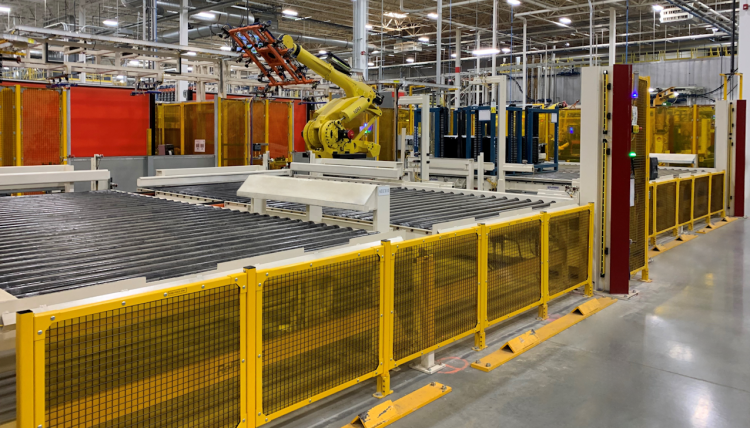
Automation systems fail when material handling can’t keep up with robotic equipment. You’ve put money into robotic work cells, vision systems, and automated packaging equipment, but these parts need conveyors with steady timing, precise positioning, and reliable communication. Without these features, automation spends time waiting and working around conveyor limits. The system gets stuck.
Modern automated conveyor systems give you the timing accuracy and system integration that automation needs. Knowing what separates conveyors built for automation from basic transport systems helps you make better equipment choices.
Zone Control Enables Coordinated Operations
Automation needs exact timing across all processes. A robotic pick-and-place system needs products positioned within fractions of a centimetre, while a vision inspection station needs stable product presentation. Automated packaging equipment depends on synced timing between conveyor zones.
Standard conveyors treat the whole line as one system, which means when one section runs, everything runs. This worked for manual operations where workers adapted to product flow. But automation can’t adapt the same way and needs products delivered at exact gaps to specific locations.
Industrial automation conveyors with zone control split the line into separate segments. Each zone runs based on sensor feedback and programmed logic. Products build up without pressure in one zone while another zone feeds a work cell at precise gaps.
MDR (Motor Driven Roller) technology shows this ability through individual 24VDC motors that power small conveyor sections. Each motor responds to networked control signals. When a product enters a zone, sensors detect it and the control system decides whether that zone should run, build up products, or index to a position.
A Canadian ceramic maker set up a 1,000-foot line shaft conveyor with automated traffic control. It coordinates product movement through heat treatment and cooling without manual help. This allows nonstop operation in lights-out manufacturing.
Zone control changes how automation integrates with material handling. You program the conveyor to deliver products exactly when and where automation needs them. This gets rid of complex mechanical timing systems and buffer zones needed to make up for poor timing.
Communication Protocols Connect Conveyors to Control Networks
Standalone conveyors can’t take part in automated systems because they move products but can’t communicate with robots, PLCs, vision systems, or warehouse software. Modern conveyor automation includes network connectivity. This allows real-time data exchange across the production site.
Ethernet-based protocols let conveyors share data with control systems. A robotic work cell checks the conveyor for product position before starting a pick sequence, and the conveyor confirms product presence, reports exact location, and signals when the zone is ready for robot access.
This communication prevents timing errors. Industry analysis from Designetics shows that automation in manufacturing cuts both human error and safety incidents by reducing manual handling risks and fatigue-related mistakes.
Networked robotic integration conveyors give diagnostic data as controllers monitor motor performance, track sensor status, and spot problems before failures happen. When issues come up, the system pinpoints which zone needs attention. Technicians don’t diagnose whole conveyor lines.
Industry research shows that integrated material handling systems improve assembly line output by making material flow better and cutting down on errors. They communicate with production control software to reduce wait times and coordination errors. Without network integration, this needs extensive custom programming and remains prone to timing conflicts.
Programmable Positioning Supports Precise Applications
Manual operations tolerate position variation as workers reach a few centimetres left or right to grab products. But robotic grippers, vision systems, and automated packaging equipment operate within set work areas. Products positioned outside those areas cause cycle stops and can trigger error conditions or equipment damage.
Automated conveyor systems with programmable positioning use encoder feedback and closed-loop control to deliver repeatable product placement. The system indexes to a programmed position with sub-centimetre accuracy when sensors detect a product.
Chain Driven Live Roller (CDLR) systems give both heavy-load capacity and positioning accuracy that automation needs. These systems handle heavy loads while keeping precise indexing for automated loading and unloading operations.
Positioning accuracy affects cycle times right away. When products arrive in the correct position every time, automation parts complete their tasks faster. Across thousands of cycles per shift, positioning delays add up and create big throughput losses.
Flexible Speed Control Adapts to Process Requirements
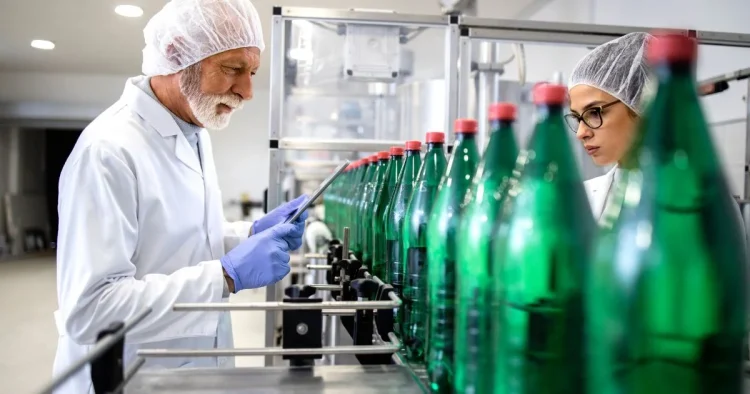
Different automation processes run at different speeds based on their specific needs. Vision inspection systems need slower speeds for good image capture, while packaging equipment runs at higher speeds to maintain throughput. Manual quality stations need near-zero speed for product buildup.
Industrial automation conveyors with variable speed control match performance to process needs. This gets rid of buffer zones that older systems needed and removes the mechanical complexity needed to bridge speed gaps.
Variable frequency drives allow precise speed adjustment in belt and chain uses. Operators program speed profiles for different products or production modes, and the conveyor automatically adjusts speed based on which product the system detects.
MDR systems take speed control further through independent zone programming where one section runs at inspection speed while the next zone runs at packaging speed. Products move smoothly between zones without mechanical complexity.
Research from the Energy Institute shows that variable speed drive systems can save 15-40% of energy in uses with variable loads. These savings apply to conveyor operations and prove very valuable in facilities running multiple shifts.
Speed flexibility also supports production changeovers. When you switch from small packages to large products, the conveyor adjusts its speed and keeps best throughput without mechanical modifications.
Sensor Integration Provides Real-Time Feedback
Automation systems make choices based on sensor data. Product presence sensors trigger robotic pick cycles, photo eyes confirm package orientation before labelling, and weight sensors verify fill accuracy. Your conveyor system needs to integrate these sensors and communicate their data well.
Conveyor automation features now include built-in sensor mounting provisions with pre-wired connections and controller interfaces. This makes sensor integration simpler. Rather than custom-building sensor brackets and running separate wiring, the conveyor arrives with sensor integration built in.
This integration goes beyond simple presence detection. Modern sensors give gap measurement for spacing control, height detection for product ID, and position feedback for product buildup management. The conveyor controller processes this data and adjusts zone operation as needed.
Automotive battery tray production shows full sensor integration in action. The MDR conveyor system uses sensors to control indexing, manage pop-up transfers, and coordinate removable conveyor sections through a single control network.
Transfer Mechanisms Maintain Automation Timing
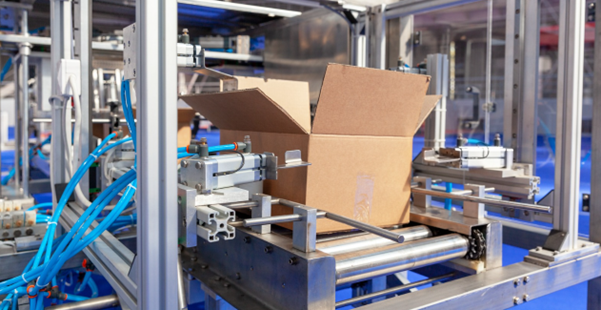
Products rarely travel in straight lines through automated facilities. They move between parallel production lines, divert to quality inspection stations, and transfer from buildup zones to high-speed processing areas. These directional changes create timing challenges and can disrupt automation.
Robotic integration conveyors use transfer mechanisms designed for automation needs. Pop-up transfers lift products from one conveyor level and place them onto another without disrupting orientation or timing, while diverters route products to different destinations based on control signals from upstream processes.
The key difference between automation-grade transfers and basic directional changes lies in timing control and position accuracy. A pop-up transfer in an automated system coordinates with both upstream and downstream zones to ensure smooth product flow without gaps or collisions.
Transfer timing becomes critical when automation parts depend on predictable product arrival. If a transfer mechanism introduces timing variation, downstream robots either wait for products to arrive or risk starting pick cycles before products reach position. Both scenarios reduce throughput and complicate control programming.
Building Systems That Support Automation Growth
Automation rarely happens all at once. Most facilities add robotic work cells, vision inspection, or automated packaging bit by bit as budgets allow and operations evolve. Your conveyor system needs to support both current automation and future expansion without needing complete replacement.
Modular conveyor designs handle automation growth through standardized interfaces and scalable control architecture. You can add zones, integrate new sensors, and modify transfer points without redesigning the whole system. Controllers support added capacity for future automation parts.
This expandability proves valuable in automotive and packaging operations where product changes and throughput needs shift often. The conveyor system adapts to new automation without placing limits on what you can add.
Canadian manufacturers working with automated conveyor systems benefit from proximity to suppliers during the design phase. Face-to-face consultation helps identify automation needs that might not appear in equipment specs. Local coordination speeds up the design-test-modify cycle that complex automation projects need.
Making Conveyors Work for Automation
Automation investment only pays off when material handling keeps up with process capability. The difference between conveyors that enable automation and those that limit it comes down to specific features like precise control, reliable communication, and operational flexibility.
Zone control coordinates timing across processes, while network integration connects conveyors to control systems. Positioning accuracy supports robotic uses, and variable speed control adapts to process needs. Sensor integration gives real-time feedback, and transfer mechanisms maintain timing through directional changes.
These features represent basic needs for facilities pursuing automation. They determine whether automation delivers its promised benefits or creates new bottlenecks that undermine your investment.
Ready to explore how automated conveyor systems can support your facility’s automation goals? Rolmaster Conveyors designs and integrates conveyor solutions for automotive, packaging, warehousing, and manufacturing operations across Canada.
With 75+ years of experience and a 58,000 square foot facility in Cambridge, Ontario, we understand the automation challenges Canadian manufacturers face. Contact our team to discuss your specific requirements.